INDUSTRY:
TRAINING, ART & EDUCATION
CLIENT:
ACSoftware s.r.l.
YEAR:
2025 - 2026
ROLE:
PRODUCT EXPERIENCE MANAGER
OBSERVA
about.
Observa is a cloud based 3D virtual experience platform that enables organizations to design manage and deliver immersive environments without hardware constraints.
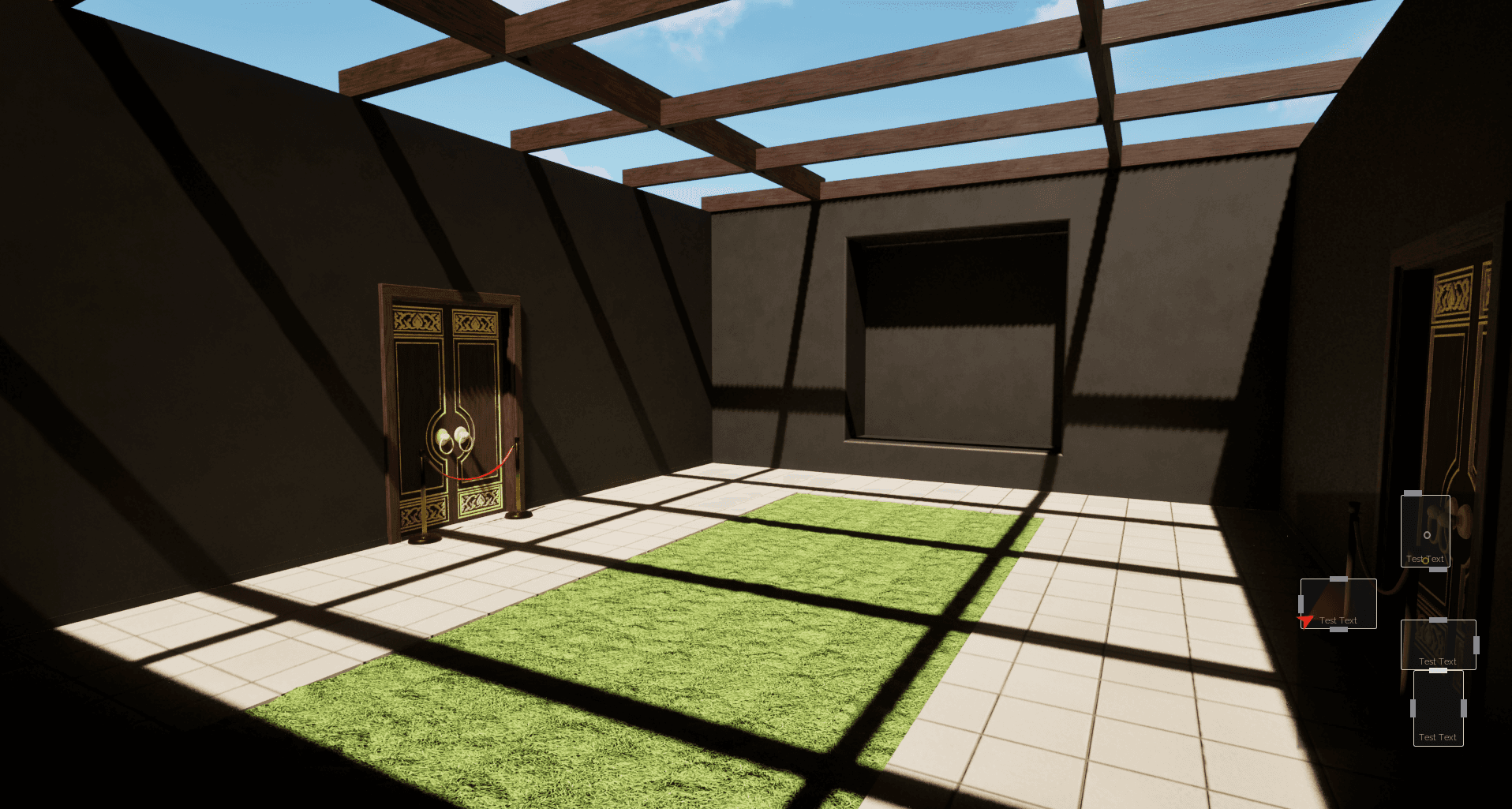
It was originally developed for the MUDEM the Virtual Museum of the Bank of Italy where the challenge was to recreate the depth and authority of a physical exhibition in an online space.
By combining realism with pixel streaming accessibility and curator autonomy, Observa makes it possible to explore complex environments in a way that feels real, tangible and engaging.
The platform was conceived to overcome physical boundaries, costs and security, accessibility limits allowing high value cultural and educational content to reach broader audiences while preserving institutional trust accuracy and control.
from institutional project to scalable product.
When Observa started to be presented outside the MUDEM context, its potential quickly extended beyond.
Early conversations across different sectors highlighted a recurring need and market fit within education and professional training (where realistic experiences were difficult to scale without physical constraints). What began as a cultural project revealed the foundations of a broader product opportunity.
This insight led to a strategic shift.
Observa evolved from a bespoke solution into a customizable platform designed to support training, onboarding, the dissemination of company initiatives, intranet experiences and knowledge transfer, while maintaining the level of trust and quality required in professional contexts.
challenges.
Observa brings structural challenges to the surface:
• Physical and spatial constraints : most exhibitions and training initiatives were limited by space availability security restrictions and fixed locations making scale and continuity impossible.
• Restricted access to high value assets : rare documents, sensitive environments, fragile objects and internal systems could not be explored closely or safely by the public or learners.
• Lack of experiential realism in digital alternatives : existing digital solutions failed to reproduce the depth credibility and sense of presence required for meaningful learning and cultural engagement.
• Curatorial and operational dependency : curators and educators lacked autonomy and every new experience required technical mediation custom development and long lead times.
• Inconsistent reach and equity of fruition : physical attendance created inequalities in access due to geography time costs and physical barriers limiting the social impact of initiatives.
• High operational costs and limited scalability : each new exhibition or training scenario implied significant costs and could not be easily replicated adapted or extended over time.
my role and accountability.
I joined Observa when the institutional project was nearly completed and its long term direction still undefined.
The key question was whether a successful project could evolve into a scalable and sustainable product.
Alongside product discovery and positioning, roadmaps, new features and metrics, I actively:
Led / Coordinated
• led commercial exploration and early go to market initiatives
• researched partnerships development and early adopters
• led prospect meetings and pre sales conversations
• coordinated communication strategy and branding activities
• led digital product and UX/UI design for user interfaces and websites
• coordinated part of product demos and focused use case scenarios
• led workshops and discovery activities with internal teams and external stakeholders
Performed / Contributed
• produced presentations videos and visual assets to support commercial and institutional initiatives
• conducted market and competitor research to support positioning and product decisions
Collaborated / Participated
• collaborated on pricing considerations and commercial strategy
• participated in conferences fairs and industry events including public speaking
• collaborated with leadership on product roadmap definition and feature prioritization
I led more than forty meetings with prospects, partners and institutional or educational organizations both remotely and in person. Around 20% of these conversations progressed into demos, pre POCs and advanced pre contractual discussions, directly informing product decisions and go to market priorities.
product vision.
Observa aims to make complex experiences accessible wherever people are, without sacrificing realism, credibility or engagement.
It drives learners and professionals to explore environments that would otherwise be inaccessible due to physical risk, fragility, space, costs or operational limits.
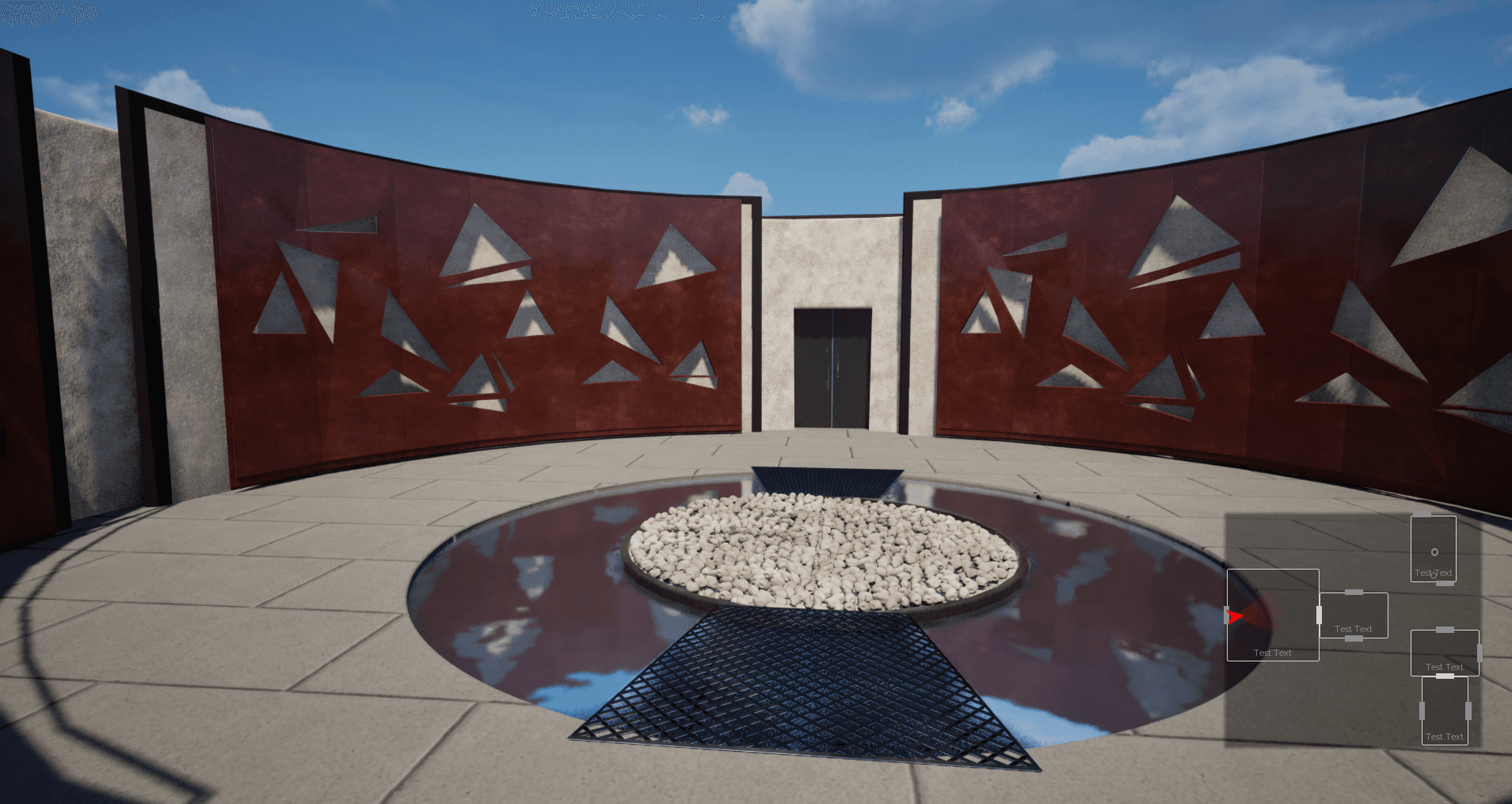
Usability, reach and realism remained the guiding principles throughout. By removing the need for dedicated hardware such as smart glasses or visors and focusing on intuitive gestures and tap based interaction, Observa enables adoption at scale across devices, contexts and user profiles while preserving experiential depth and introducing a sense of fun through the integration of applied games within the overall designed journey.



key decisions.
Several decisions shaped Observa’s evolution once its market potential became clear.
Education and professional training were identified as primary application areas, where realism, autonomy and safety directly impacted adoption and purchasing decisions.
The platform was therefore designed to support both institutional use cases and enterprise learning scenarios without compromising experience quality.
To reduce time to market and commercial friction, hardware dependent solutions and heavy one off customizations were deliberately avoided. Instead, Observa evolved toward a modular and configurable model, supported by focused demos and use case driven experiences.
Applied games were selectively integrated to validate engagement, learning outcomes and progression, particularly in complex or high risk training contexts.
Impact on market and validation.
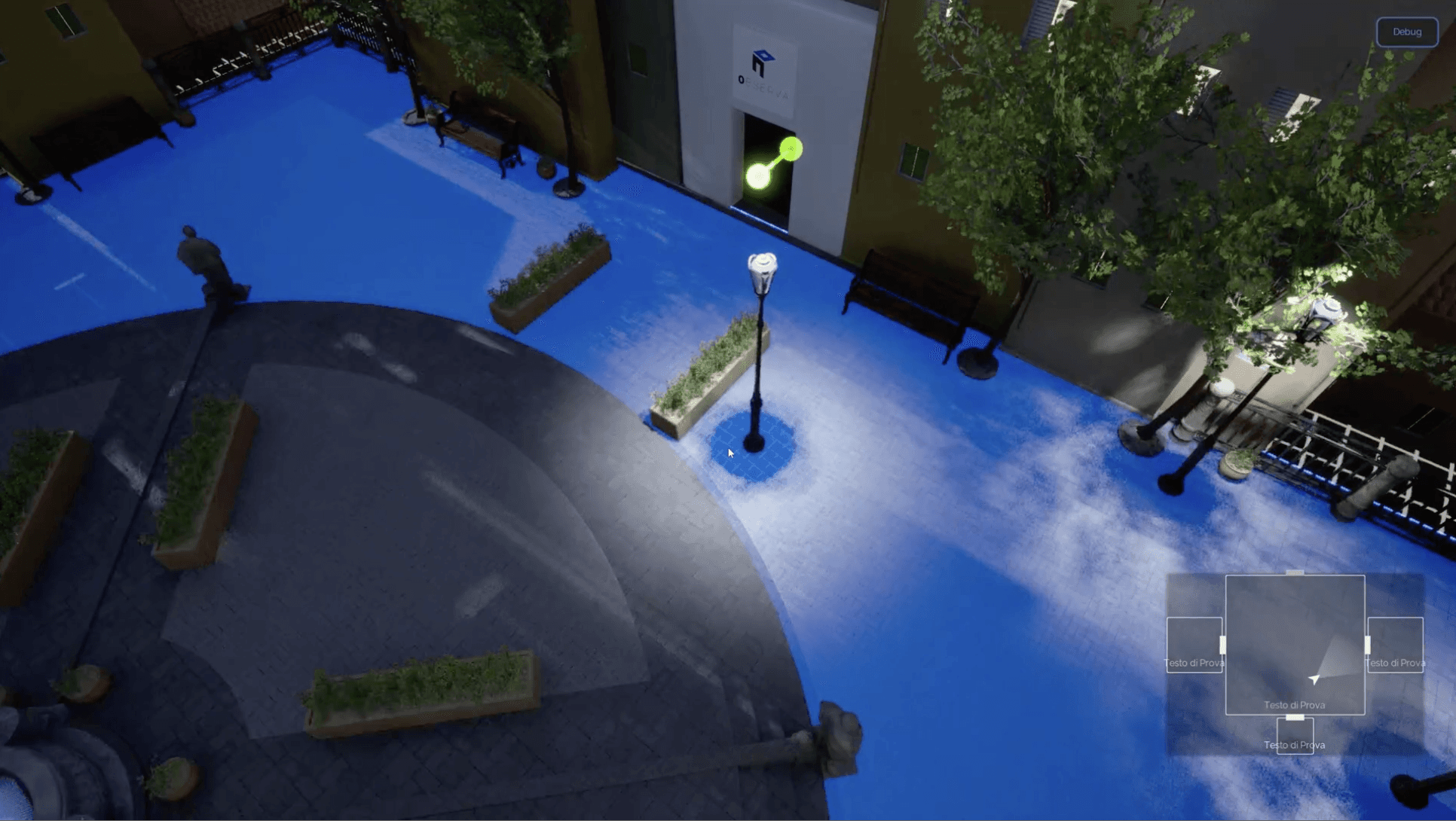
Observa received strong validation through its adoption within the Bank of Italy and recognition from the Premio Gianluca Spina for innovation and equitable access.
Early market interest further confirmed the relevance of the approach across different industries, including large industrial ecosystems, restaurant franchising, defense organizations and the building sector, with HR teams actively exploring immersive onboarding and multiple partnership opportunities.
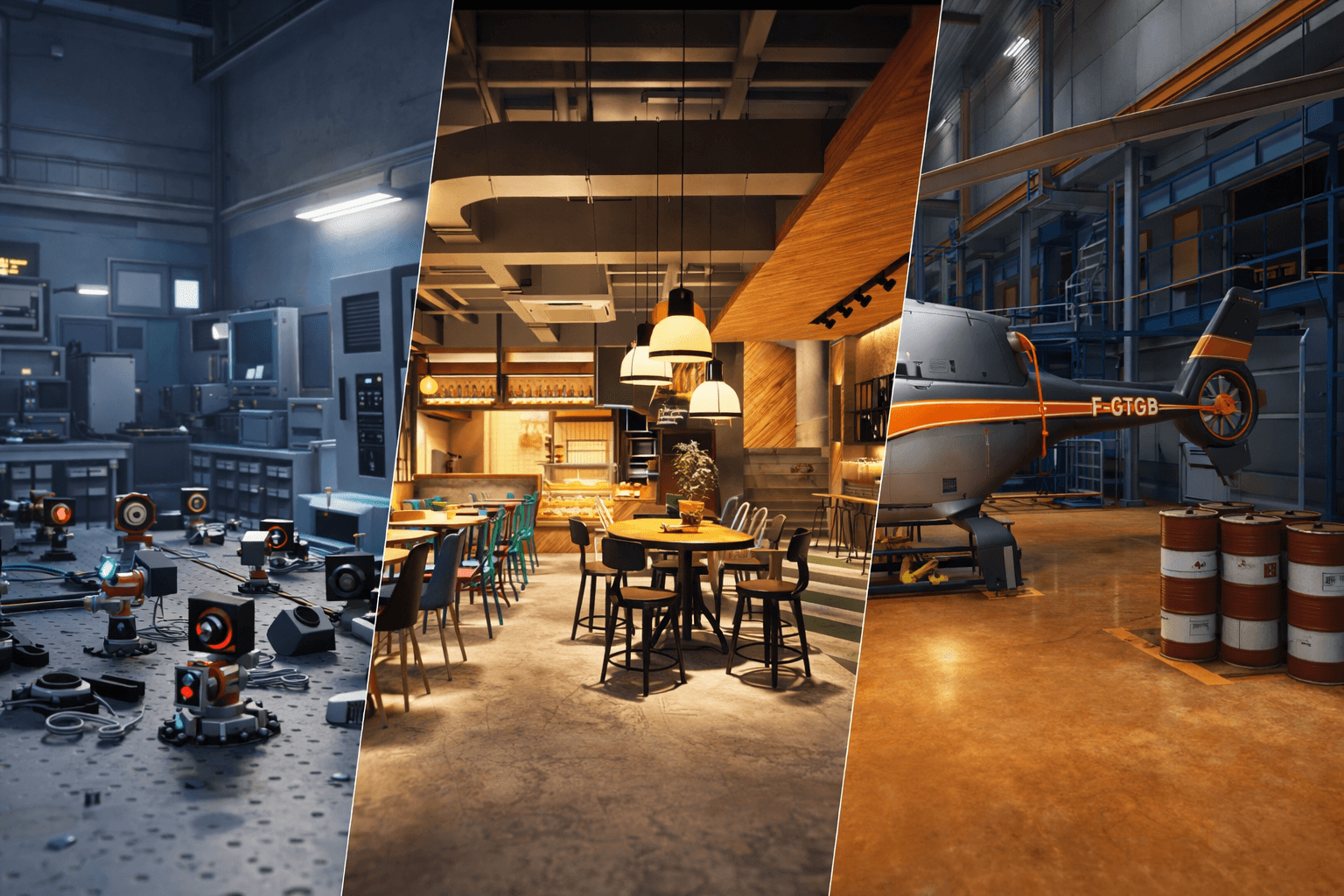
Beyond metrics, Observa demonstrated that complex environments such as caveau, tech environments, hangars or technical systems can now be explored and learned remotely with realism and control.